

Drawing from my extensive experience in facilities management and the maintenance of critical facilities and manufacturing plants, I understand that the talent responsible for operating a data center is crucial for ensuring optimal performance, security, and uptime. A data center manager must possess the knowledge to effectively integrate technology, processes, and people dynamics to ensure the data center operates cost-effectively while maintaining uptime that exceeds client expectations.
Since data centers house critical IT infrastructure, neglecting maintenance — and the skilled professionals responsible for implementing it — can lead to costly downtime, data loss, and equipment damage. Establishing effective operations and maintenance (O&M) strategies is essential to mitigating these risks and ensuring smooth functionality. This article outlines the key roles involved in data center operations and provides guidance on effectively hiring the right talent.
Core Operations & Maintenance Roles
To manage the complex demands of data centers, specialized roles are essential. Each role contributes to efficiency, uptime, and security.
Data Center Managers: Driving Operational Excellence and Strategic Oversight
The Data Center Manager oversees the entire facility’s operations, ensuring all systems run smoothly. Their responsibilities include staff coordination, resource management, and enforcing standard operating procedures (SOPs) for maintenance programs, security policies, and operational processes.
In addition to ensuring cost-effective data center operations, the Data Center Manager develops strategies to improve energy efficiency — a crucial focus, as energy consumption is one of the most significant challenges in data center management.
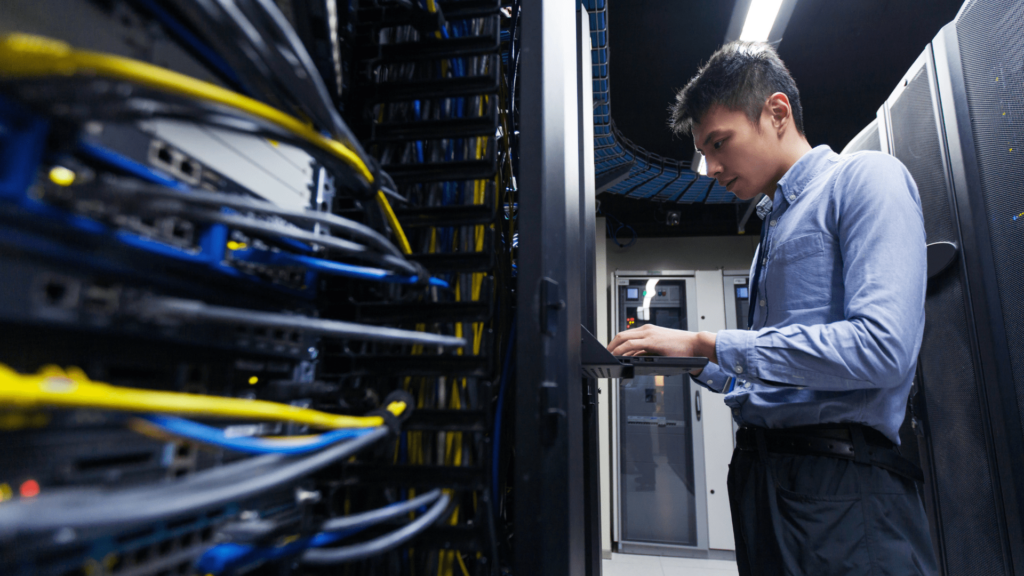
Beyond managing internal stakeholders, the Data Center Manager is also responsible for overseeing vendors and third-party service providers. Ensuring that all interactions between the data center and external partners comply with company security policies is essential to maintaining operational integrity and data protection.
Strong leadership is vital for this role. A Data Center Manager must promote accountability and discipline in executing daily checklists and operational procedures. They must also ensure that both physical security and cybersecurity policies are not only established but actively enforced.
Facilities Engineers: Maintaining Critical Systems for Optimal Performance
Facilities Engineers manage the data center’s electrical, mechanical, and HVAC systems. They ensure optimal environmental conditions to prevent equipment & system failure. Routine inspections, preventive maintenance, and emergency repairs fall under their responsibility. Despite the critical nature of this role, many data centers struggle to find qualified Facilities Engineers due to the extensive technical expertise required.
Facilities Engineers differ slightly from traditional engineers who manage facilities like power plants and manufacturing plants. In a data center, Facilities Engineers are expected to have knowledge of at least the following systems:
- Power Systems
- IT Systems
- HVAC Systems
- Fire Suppression and Detection Systems
Proficiency in preventive maintenance and monitoring is a fundamental requirement. While data centers may occasionally rely on third-party service providers for installations and maintenance tasks, it is the Facilities Engineer’s responsibility to ensure these services are specified and delivered according to operational requirements.
Maintaining standard repair procedures is crucial. Equally important is the discipline to perform recurring and sometimes monotonous monitoring tasks. This proactive approach ensures Facilities Engineers can identify potential issues early, minimizing the risk of disruptions in data center operations.
IT Infrastructure Specialists: Ensuring Connectivity, Hardware Stability, and Security
Maintaining a data center’s IT infrastructure requires a combination of specialized roles, primarily handled by Network Engineers and IT Support Technicians. Together, these professionals ensure seamless connectivity, hardware reliability, and system security — all vital for uninterrupted data center operations.
Network Engineers
Network Engineers are responsible for maintaining stable and secure data flow within the data center. Their role extends beyond just connectivity; they also safeguard critical systems from cyber threats. Key responsibilities include:
- Firewall Configuration: Ensuring secure network boundaries by configuring and updating firewalls to block unauthorized access.
- Network Performance Monitoring: Using specialized tools to monitor bandwidth usage, latency, and overall network health to detect and address potential issues before they escalate.
- Troubleshooting Connectivity Issues: Diagnosing and resolving network disruptions to maintain uptime and minimize data transmission delays.
- Managing Redundant Networks: Establishing backup network pathways to ensure connectivity even during unexpected failures.

IT Support Technicians
IT Support Technicians play a crucial role in ensuring the functionality and stability of hardware systems within the data center. Their responsibilities include:
- Hardware Maintenance and Troubleshooting: Diagnosing and resolving hardware failures to minimize downtime.
- System Upgrades and Patch Management: Installing software updates, firmware patches, and system upgrades to enhance performance and security.
- Incident Response: Acting swiftly to address system alerts, ensuring disruptions are resolved before they impact operations.
- Asset Tracking and Documentation: Keeping detailed records of hardware assets, their configurations, and maintenance schedules to improve traceability and management.
Network Engineers and IT Support Technicians must work closely with other data center roles, including Facilities Engineers and Data Center Managers, to ensure alignment between IT systems, environmental controls, and security protocols. For example, they may coordinate with Facilities Engineers to manage power requirements for network hardware or collaborate with security teams to implement access controls and monitoring systems.

Contingency & Retained Recruitment Service
Transparent and Competitive Pricing
✅ Pre-screened Candidates — Each applicant undergoes a rigorous screening process to assess skills, experience, and cultural fit.
✅ Flexible Guarantee Period — Enjoy peace of mind with our free replacement guarantee for every successful hire.
Contact us today or fill out the form to get started with fast, reliable, and quality-driven hiring solutions.
By combining strong technical expertise with proactive collaboration, these professionals play a pivotal role in ensuring data centers achieve consistent performance, security, and uptime.
Physical Security Professionals: Safeguarding Data Center Integrity
Physical Security Professionals play a vital role in protecting the data center’s infrastructure, assets, and sensitive information. Their primary focus is to ensure that only authorized personnel can access critical areas while proactively identifying and mitigating potential security risks.
Key Responsibilities
- Access Control Management: Implementing and enforcing strict access control measures, including badge systems, biometric scanners, and visitor logs to regulate entry into restricted zones.
- Surveillance Monitoring: Continuously monitoring CCTV feeds and security alarms to detect suspicious activities and potential breaches.
- Incident Response: Responding swiftly to security alerts, investigating incidents, and coordinating with law enforcement or emergency services when necessary.
- Security Audits and Drills: Conducting routine security audits to identify vulnerabilities and improve protocols. Regular drills ensure that the team is prepared to respond effectively during emergencies.
- Vendor and Contractor Management: Ensuring that third-party service providers follow security protocols while working inside the data center.
Physical Security Professionals often work closely with Data Center Managers and Facilities Engineers to align security protocols with facility layouts, ensuring equipment, cabling, and other critical infrastructure are protected from both external and internal threats.

By maintaining vigilance and enforcing robust security measures, these professionals play a crucial role in protecting the data center from theft, sabotage, and unauthorized access — ensuring operational stability and client trust.
Security professionals must always operate under the assumption that threats are imminent and that existing physical and cybersecurity measures may have vulnerabilities. They must remain vigilant at all times, ensuring security policies are strictly enforced and regulatory requirements are met. Additionally, they must ensure that both facility and IT personnel adhere to operational requirements to maintain a secure environment.
Specialized Roles for Improved Efficiency
In addition to core roles, specialized professionals further enhance operational performance and efficiency.
Energy Efficiency Specialist: Optimizing Power Consumption for Sustainable Operations
Data centers are known for their significant energy demands, accounting for approximately 1-1.5% of global electricity use. With cooling systems alone consuming nearly 40% of total data center energy, improving energy efficiency is crucial to reducing costs and minimizing environmental impact.
An Energy Efficiency Specialist plays a vital role in achieving this by:
- Analyzing power consumption trends to identify inefficiencies and areas for improvement.
- Implementing energy-saving initiatives such as optimizing airflow management, upgrading to energy-efficient cooling systems, and adopting renewable energy solutions.
- Ensuring optimal Power Usage Effectiveness (PUE) — a key metric that measures how efficiently a data center uses energy. A PUE value close to 1.0 indicates maximum efficiency, while anything above 2.0 suggests significant room for improvement.
By proactively managing energy consumption, Energy Efficiency Specialists help data centers reduce operational costs, extend equipment lifespan, and achieve sustainability goals.
Environmental Health & Safety (EHS) Officer: Ensuring Compliance and Workplace Safety
Data centers are complex environments with numerous electrical systems, cooling equipment, and backup power units, posing potential safety risks. According to industry data, electrical hazards account for nearly 34% of data center incidents, while fire risks and improper handling of chemicals further heighten concerns.
An Environmental Health & Safety (EHS) Officer plays a critical role in mitigating these risks by:
- Ensuring compliance with local and international safety regulations, including OSHA, NFPA, and ISO 45001 standards.
- Implementing robust safety protocols that address fire prevention, electrical hazards, and proper handling of chemicals like refrigerants and battery electrolytes.
- Conducting risk assessments to identify potential hazards and recommend preventive measures.
- Training staff on emergency response procedures, evacuation plans, and safe equipment operation to reduce the risk of workplace injuries.
By actively promoting a culture of safety, EHS Officers help ensure data center operations remain secure, efficient, and compliant with environmental and occupational health standards.
Recruitment Strategies for Operations & Maintenance (O&M) Roles: Building a Skilled and Security-Conscious Team
Hiring the right talent is crucial to ensuring seamless data center operations. Data centers are intricate environments that combine IT infrastructure, electrical systems, and mechanical equipment — requiring personnel who can manage diverse technical demands while maintaining a strong security mindset.
Key Recruitment Focus Areas
Industry Certifications: Validating Technical Expertise
Certifications demonstrate a candidate’s technical proficiency and understanding of data center systems. Prioritize candidates with recognized credentials such as:
- CDCP (Certified Data Center Professional): Covers data center design, operations, and maintenance best practices.
Certifications not only validate technical skills but also demonstrate a commitment to industry best practices.
Technical Skills: A Multi-Disciplinary Foundation
While data centers are highly technical, they often lack the scale to require dedicated teams for each system. This makes versatility critical. Ideal candidates should possess foundational knowledge in the following disciplines:
- IT Systems: A foundational understanding of IT systems and hardware, including how they operate, their power consumption, and their role as a heat load in the data center environment.
- Electrical Systems: Knowledge of power distribution, UPS systems, and backup generators — including the importance of periodic inspection and maintenance to ensure reliability and prevent failures.
- Mechanical Systems: Familiarity with HVAC systems, environmental controls, and fire suppression and detection systems to maintain optimal conditions and ensure fire safety.
- Physical & Cyber Security: A solid understanding of why physical and cyber security systems are in place, their purpose, and the potential crises that could arise if these systems — or their levels of protection — are compromised.

Recruiting individuals with a well-rounded understanding and foundational knowledge of these core systems ensures that the data center is managed by personnel who can collaborate effectively and resolve issues as a team — rather than shifting responsibility or blaming one another.
Security Mindset: A Proactive Approach to Threat Mitigation
Security is a critical aspect of data center operations, and all O&M personnel — not just dedicated security staff — must adopt a security-first mindset. When recruiting, look for candidates who:
- Assume Threats are Inevitable: The right candidates (especially those roles related to security) should operate under the belief that vulnerabilities exist, and threats can emerge at any time. This mindset promotes vigilance in adhering to security protocols.
- Prioritize Policy Compliance: Candidates should demonstrate a disciplined approach to following security measures, ensuring access controls, surveillance systems, and incident response plans are effectively maintained.
- Practice Awareness and Accountability: Employees with a strong security mindset actively identify suspicious behavior, question abnormal system behavior, and understand the role they play in protecting data center integrity – because security is a shared responsiblity.
Soft Skills: Enhancing Collaboration and Crisis Response
In high-pressure environments like data centers, technical skills alone are insufficient. Key soft skills to prioritize include:
- Problem-Solving Abilities: Data center personnel must assess complex issues quickly and apply practical solutions to minimize disruption.
- Teamwork and Communication: Collaboration between IT, facilities, and security teams is crucial to seamless operations.
- Adaptability: The data center landscape is constantly evolving, requiring staff who can embrace new technologies and respond flexibly to unexpected challenges.
Cultural Fit and Accountability: Basic Requirement
Data center roles demand discipline, accountability, and adherence to established procedures. Candidates who demonstrate strong organizational skills and a commitment to operational excellence are better equipped to uphold these standards.
Investing in experienced O&M professionals ensures data centers run efficiently and securely. By assembling a skilled team, implementing preventive maintenance, and leveraging advanced monitoring tools, data center operators can minimize downtime and achieve consistent performance.
Need help finding qualified data center professionals? Contact ConfigEdge Solutions today to connect with experienced talent that ensures your data center operates at peak efficiency.

No responses yet